Paralimni Lake: Flamingos, Water Levels and Where to View It
Paralimni Lake fills seasonally and flamingos arrive in winter, but it can be bone dry after summer. Here is what to expect and how to time a visit.
On this page
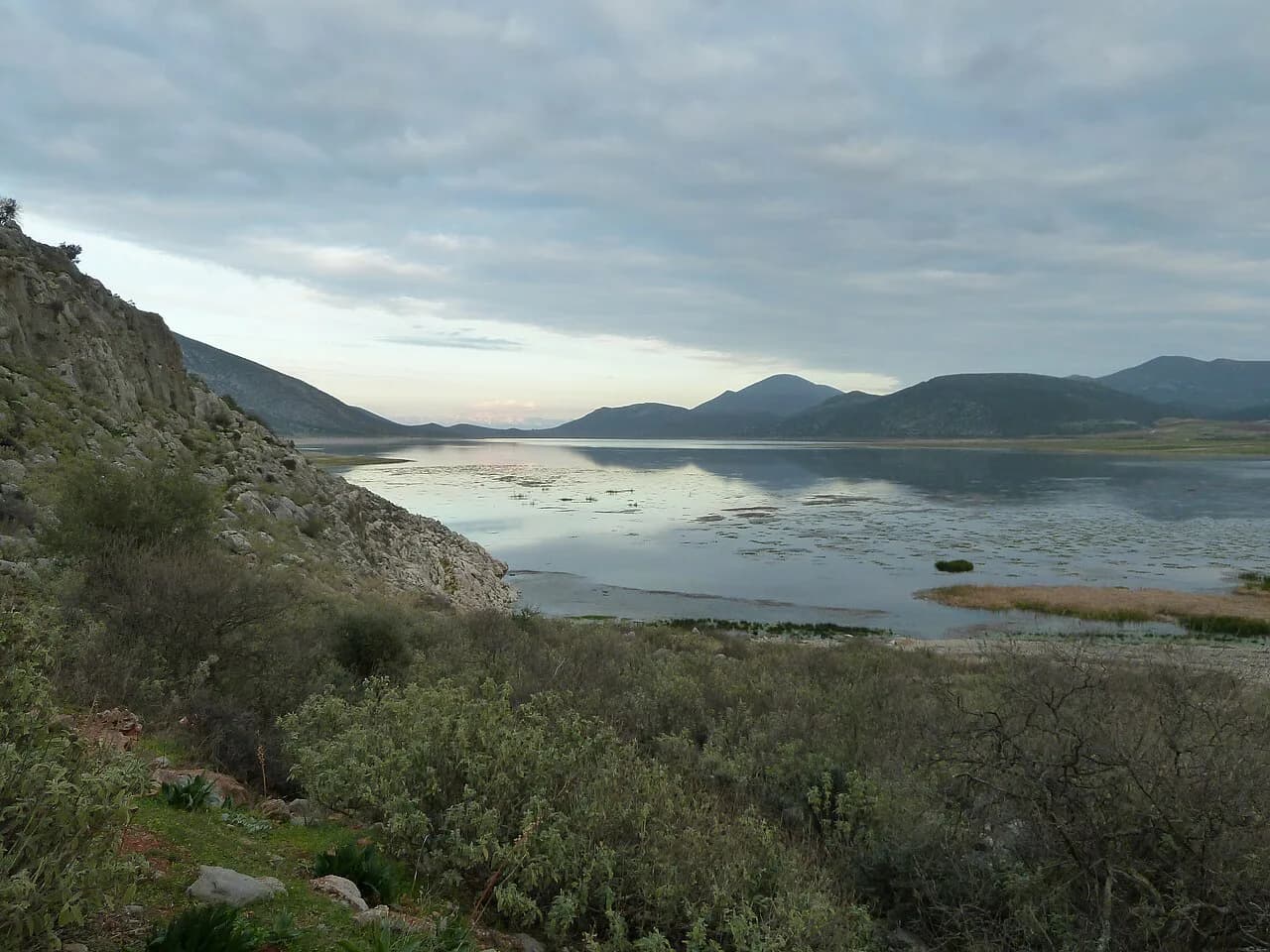
Paralimni Lake is a shallow seasonal basin in the Ammochostos district, just inland from Paralimni and the Protaras coast, and it justifies a short detour only when it holds water. Treat it as a wetland that comes and goes rather than a permanent lake, and aim for the cooler months if birds are the draw. This guide covers where it sits, why the water level swings and how to view it without disturbing anything.
The lake is close enough to the resort strip that you can fold it into a morning rather than build a day around it. Drive in from Paralimni town or the Protaras hotels, look from the shoreline and carry on; half an hour is realistic.
What and where Paralimni Lake is
Paralimni Lake lies in the Ammochostos district of eastern Cyprus, in the low ground between Paralimni and the coast at Protaras. Mapping services place it at roughly 35°01′59.9″N 33°58′0.1″E, a few minutes' drive from the centre of Paralimni and a short run inland from the Protaras seafront.
It is a shallow basin rather than a deep lake, so its whole character depends on how much rain has fallen and how long the dry season has run. The same spot can look like a proper wetland one month and an empty flat the next.
Because it sits inside the resort area, it pairs naturally with the rest of the peninsula. If you are basing yourself on the coast, the Protaras Guide covers how the resort is laid out and where the lake fits into a wider day.
Why the water comes and goes
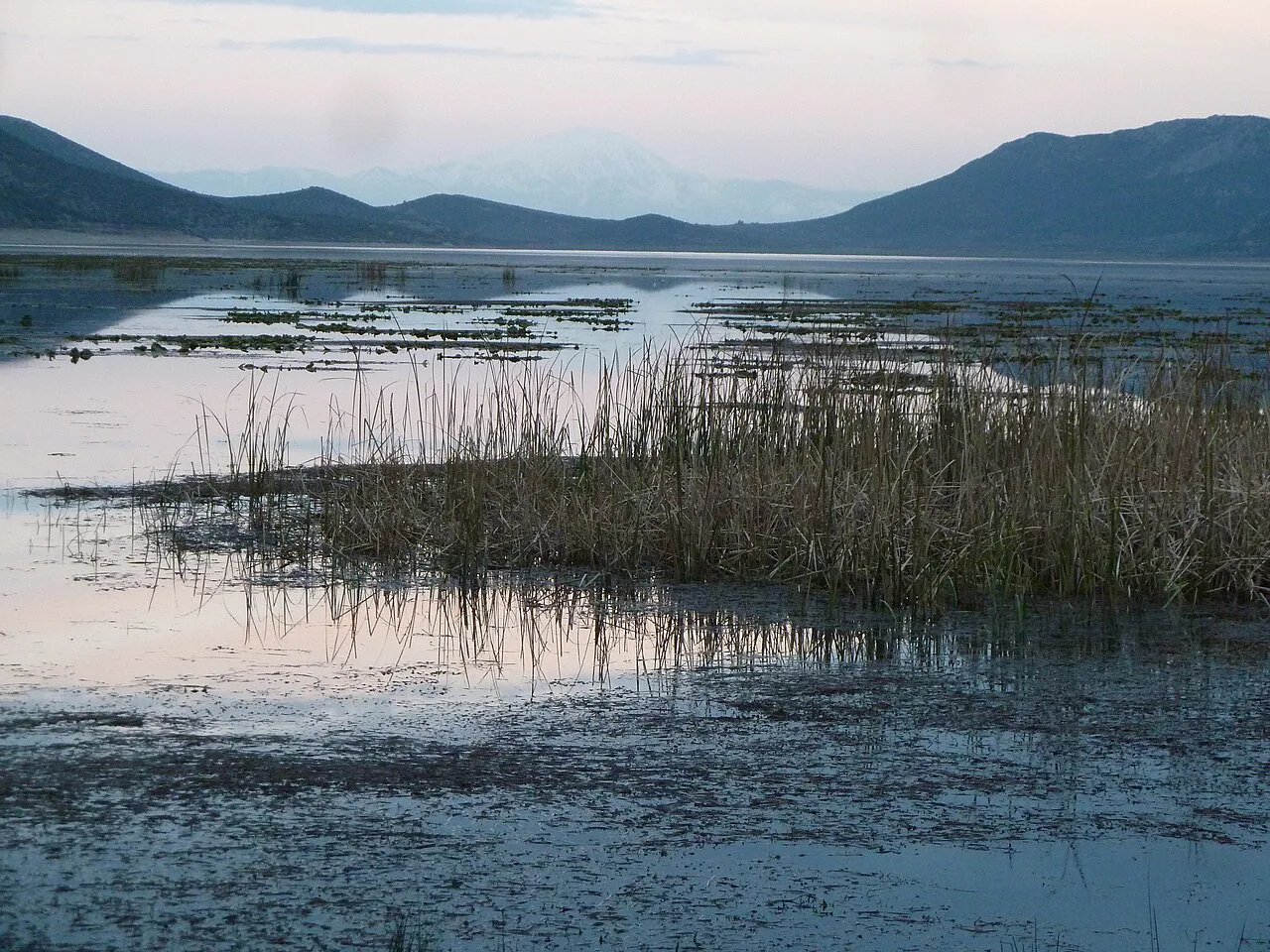
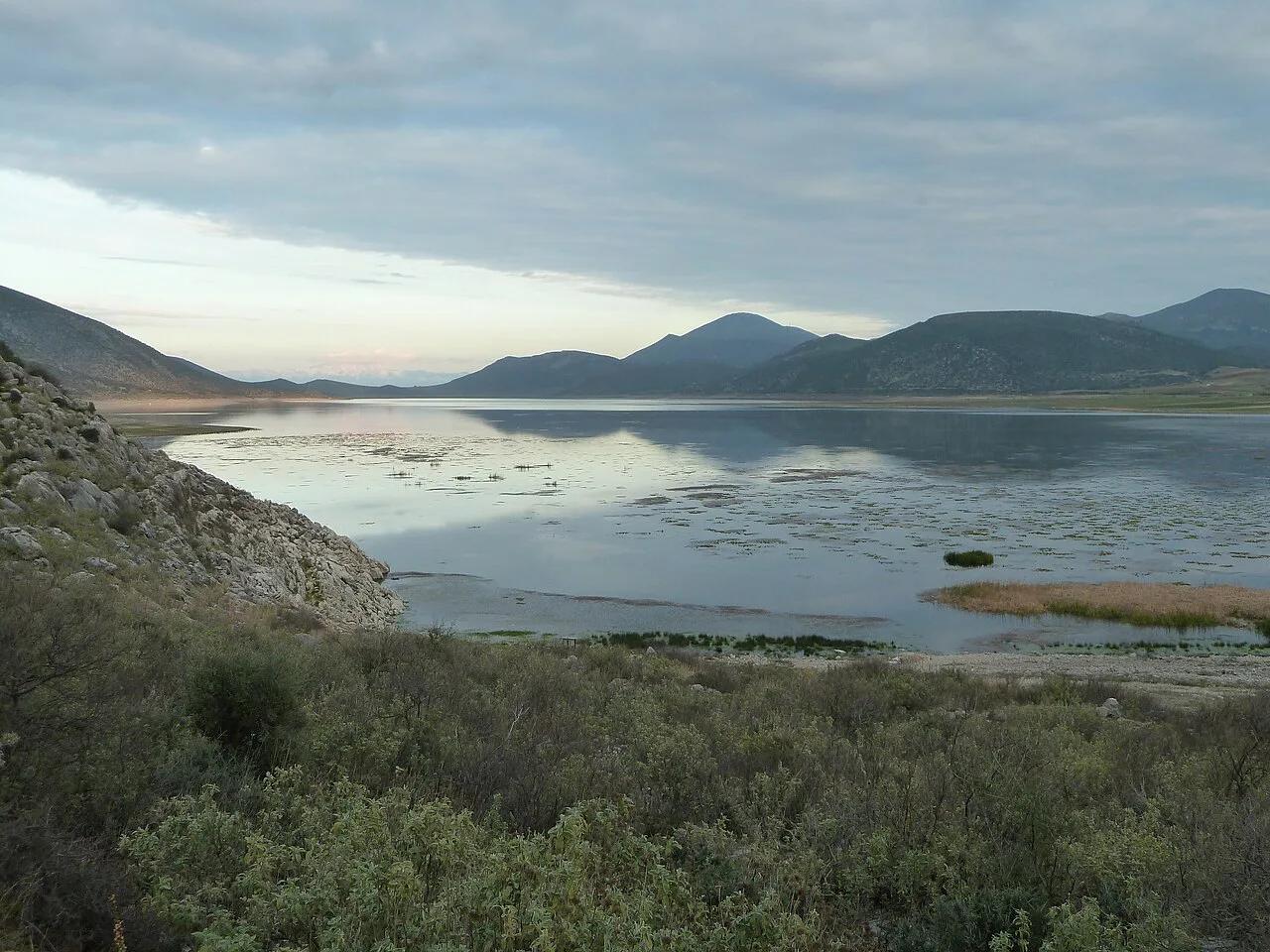
Paralimni Lake is fed by winter rain and shrinks through the sunny, dry season. After a long dry spell it can be bone dry, with no water at all across the basin, which is a normal outcome rather than a sign you have gone to the wrong place.
The pattern follows the island's rainfall rather than a fixed calendar of water levels. A wet winter can leave a broad sheet of shallow water into spring, while a poor rainy season may never fill it properly. Time your visit for the cooler months if birds are the draw, then pair the lake with something that does not depend on water, such as a stop in Paralimni town.
Flamingos and winter birds
When the water is there in the cooler months, migratory flamingos use the lake. Large flocks have arrived seasonally, with a return reported in late December, so the winter window is the one to aim for.
That report describes an arrival in a particular winter and does not promise the same numbers or timing every year, so treat it as a guide to the season rather than a fixture. Fishing records also list species logged by anglers at Paralimni Lake, which shows the basin holds water and aquatic life at times without saying anything about flamingo numbers.
Timing a visit
Winter and early spring give the best chance of both water and birds, because that is when rain has had time to collect and migratory flocks are on the move. Late summer is the weakest bet, as months of sun can leave the basin completely dry.
In the shoulder season the lake can slot into a day that already leans on the cooler hours. The guide to Protaras in October sets out what the resort feels like once the peak heat has passed, while Protaras in August explains why the resort is at its hottest and busiest when a shallow basin is most likely to be empty. The Protaras in July guide covers the same high-summer problem if you need to judge whether a dry lake bed is worth any detour at all.
How to view the lake
Approach by car from Paralimni or the Protaras coast and look from the shoreline rather than walking out into the basin. A shallow lake bed is soft and muddy, and the birds need space, so stay on firm ground and keep a respectful distance.
Binoculars make the difference here, because flamingos and other wildfowl usually sit well out on the water and a close approach pushes them further away. Early morning and late afternoon bring softer light and less heat shimmer.
The lake is close to the resort's main roads, so it works as a short stop en route to or from the coast. The Protaras map is the quickest way to see how the basin sits relative to the beaches and the town before setting off.
Practical points for a lake stop
Cyprus drives on the left and the Republic uses the euro, so a hire car and a little cash or card in euros cover the trip. There are no ticket gates or set opening hours at a roadside basin like this; you park sensibly and walk to the edge.
There is no shade around a shallow basin, so sun protection and water matter even on a cool-looking winter day. Keep the stop short, keep off the soft lake bed and leave the birds undisturbed.
Paralimni town is the natural base for the detour, with shops and services a few minutes away. The Paralimni guide covers the town's layout and what else is nearby if the lake turns out to be dry.
Nearby wetland alternatives if the lake is dry
If Paralimni Lake is empty, Larnaca Salt Lake is a better-known wetland alternative further along the coast. It is not a substitute for a full lake, but it gives you a reason to head out rather than turn back, and it suits a day when you are already heading that way.
On the Protaras side, the coast gives you plenty to do when the water is low. A Protaras boat trip runs from the resort's own shoreline and needs no lake at all, which makes it a straightforward fallback.
Is Paralimni Lake worth a stop?
Yes as a short seasonal detour in winter or early spring when the basin holds water, and no as a headline attraction. The draw is the chance of flamingos and a quiet wetland close to the resort, not a guaranteed spectacle.
The trade-off is simple: the lake needs no ticket and sits close to the resort, but its condition is out of your hands. Pair it with something reliable such as the coast around Protaras, so a dry basin never becomes the whole outing.
Should you add Paralimni Lake to your Protaras itinerary?
Add it if you are in the area between winter and early spring and want a low-effort look at a seasonal wetland. Skip it in high summer, when the basin is most likely to be dry and the heat makes a shadeless stop uncomfortable.
Build the stop around a wider day on the peninsula rather than making the lake the destination. The Protaras guide sets out the coast, the roads and the practical bits you need to fit a short detour into a resort day.
Explore more Protaras guides
Frequently Asked Questions
Are there salt lakes in Cyprus?
Yes. Paralimni Lake is a shallow seasonal basin in the Ammochostos district, and Larnaca Salt Lake is the other well-known wetland of this kind in the area. Both depend on winter rain and can shrink or dry out in the hot season.
Is Paralimni Lake always full of water?
No. It is a seasonal basin that fills with winter rain and can be bone dry after the sunny, dry season. A wet winter may leave standing water into spring, while a poor rainy season may never fill it properly.
When is the best time to see flamingos at Paralimni Lake?
Winter is the season to aim for, since migratory flocks have arrived in late December in past years. Bird presence depends on water levels, so a wet winter followed by a cool, settled spell gives the best chance.
Sources
Notes for your Cyprus trip
Optional updates to our Cyprus guides.
You might also like
Continue reading
More guides you'll find useful