Mount Olympus, Cyprus: The Highest Point in the Troodos Mountains
Mount Olympus, or Chionistra, is Cyprus's highest peak, at 1,951 metres in the Troodos range. Here is the height, the drive from the villages and what to expect.
On this page
Mount Olympus, called Chionistra in Greek and on local signs, is the highest mountain in Cyprus and the summit of the Troodos range. The peak itself is a quick visit, so plan it as the high point of a Troodos day built around the villages and painted churches below rather than as a destination in its own right.
This guide covers how high the summit is, what is actually up there, how the drive works from the Troodos villages, what the weather does at altitude and how much of your day the peak deserves. Prices, hours and access can change, so confirm details with the relevant authority before you set off.
What Mount Olympus actually is
Mount Olympus is the summit of the Troodos massif, the upland that fills the centre-west of the island, and it is the island's highest point. Britannica gives the summit as 6,401 feet, which is 1,951 metres, and that is the figure to quote if you need one.
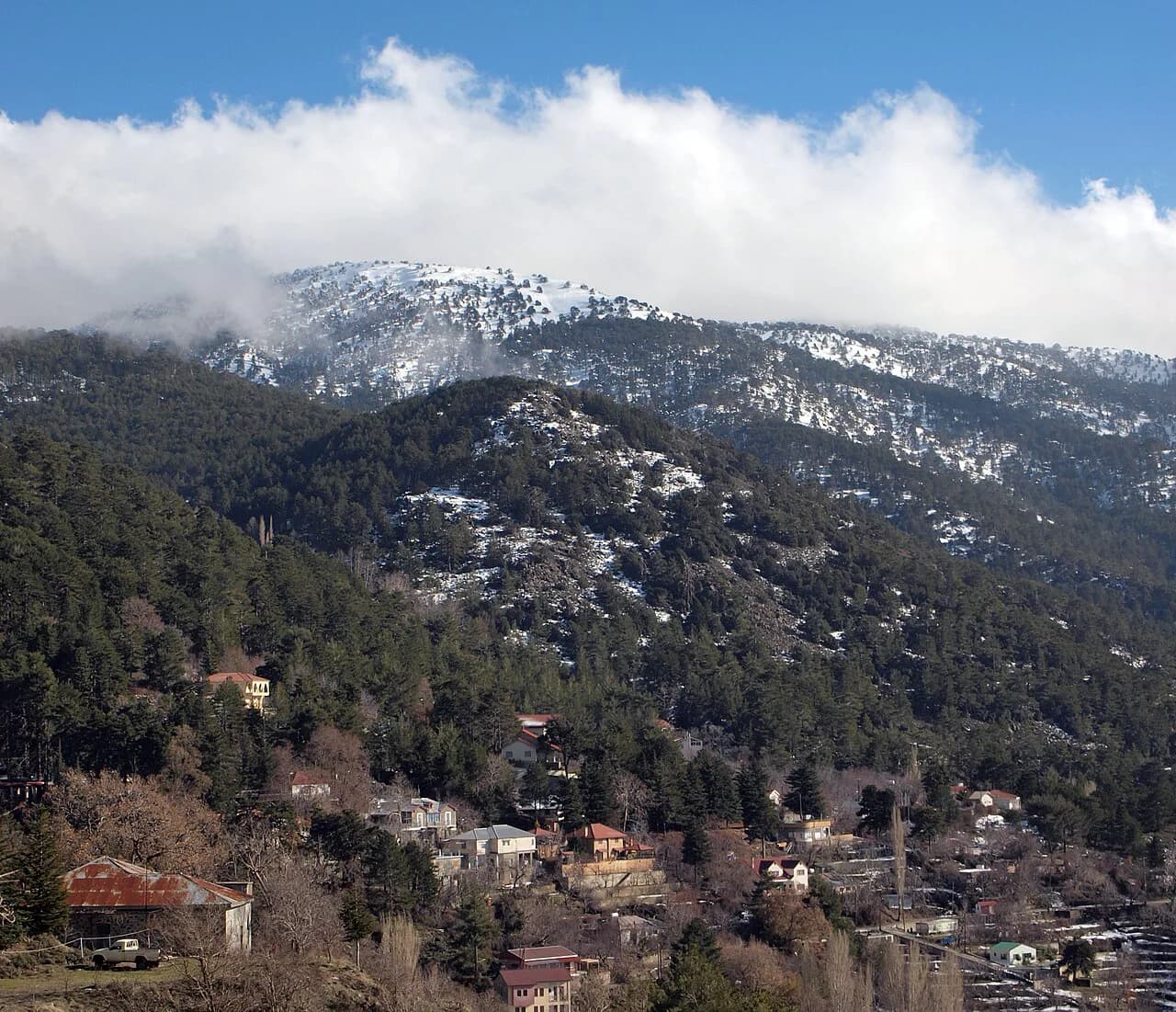
Chionistra, the name you will see on road signs and walking maps, means roughly 'snowy one', which tells you how the peak behaves in winter. The summit sits in the Lefkosia (Nicosia) district, above the Troodos villages.
It is easy to confuse the mountain with the wider range. The Troodos mountains spread across a large area of forest, villages and painted churches, while Mount Olympus is one rounded top with the army and communications installations that come with being the island's high point. Treat the two as separate parts of the same day.
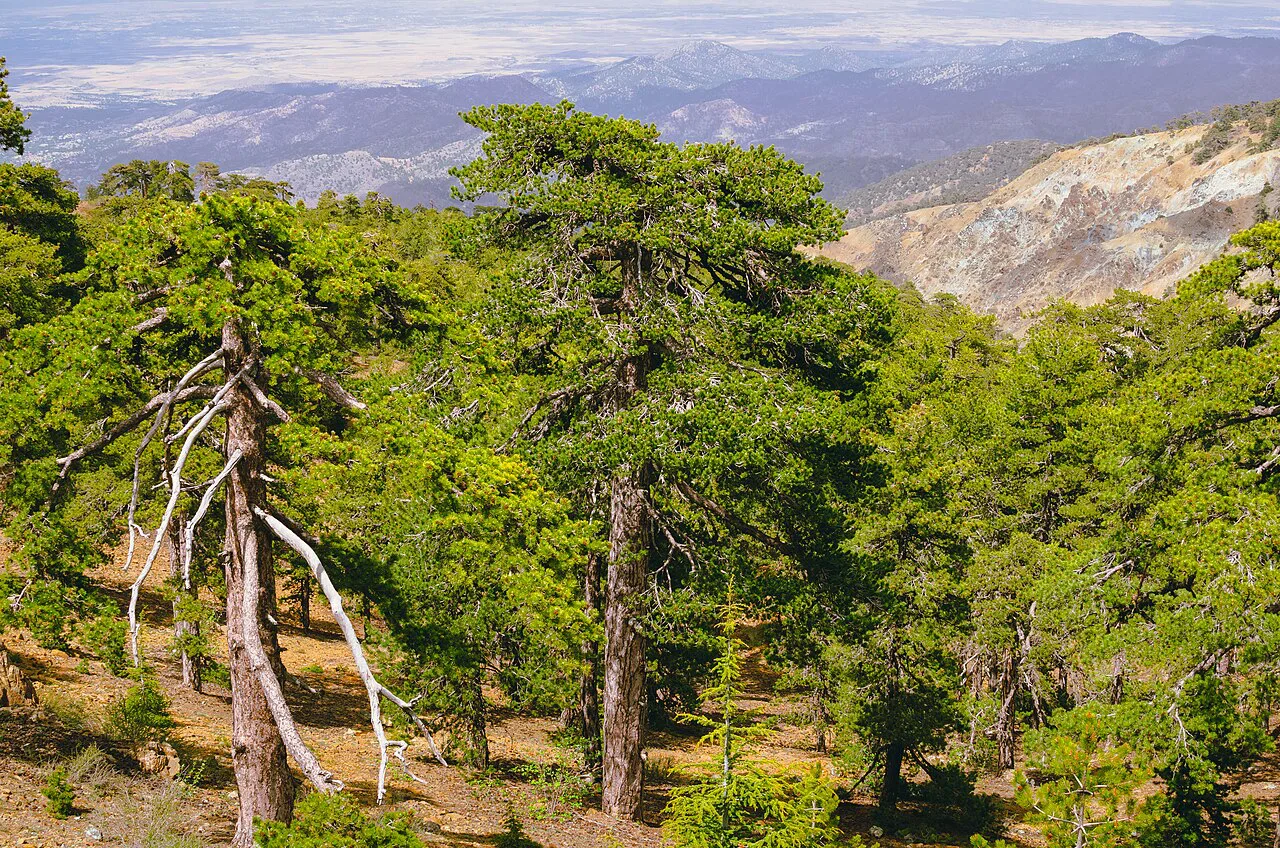
How high it is and how it compares
At 1,951 metres the summit is not alpine, but it stands well clear of everything around it and gives the range its shape.
The height matters for planning rather than bragging. The road climbs steadily from the villages, the air cools with every few hundred metres and the views open across ridges of pine and Cedar towards the coast.
Because the top is a single peak rather than a long ridge, you do not need to walk far to reach it. The road takes you close to the summit area, and what walking there is stays short.
What is at the top
The summit area has two things: the view and the installations. Radar domes and communications masts occupy part of the crown, which is why you should expect fenced-off ground and a working, not wilderness, atmosphere at the very top.
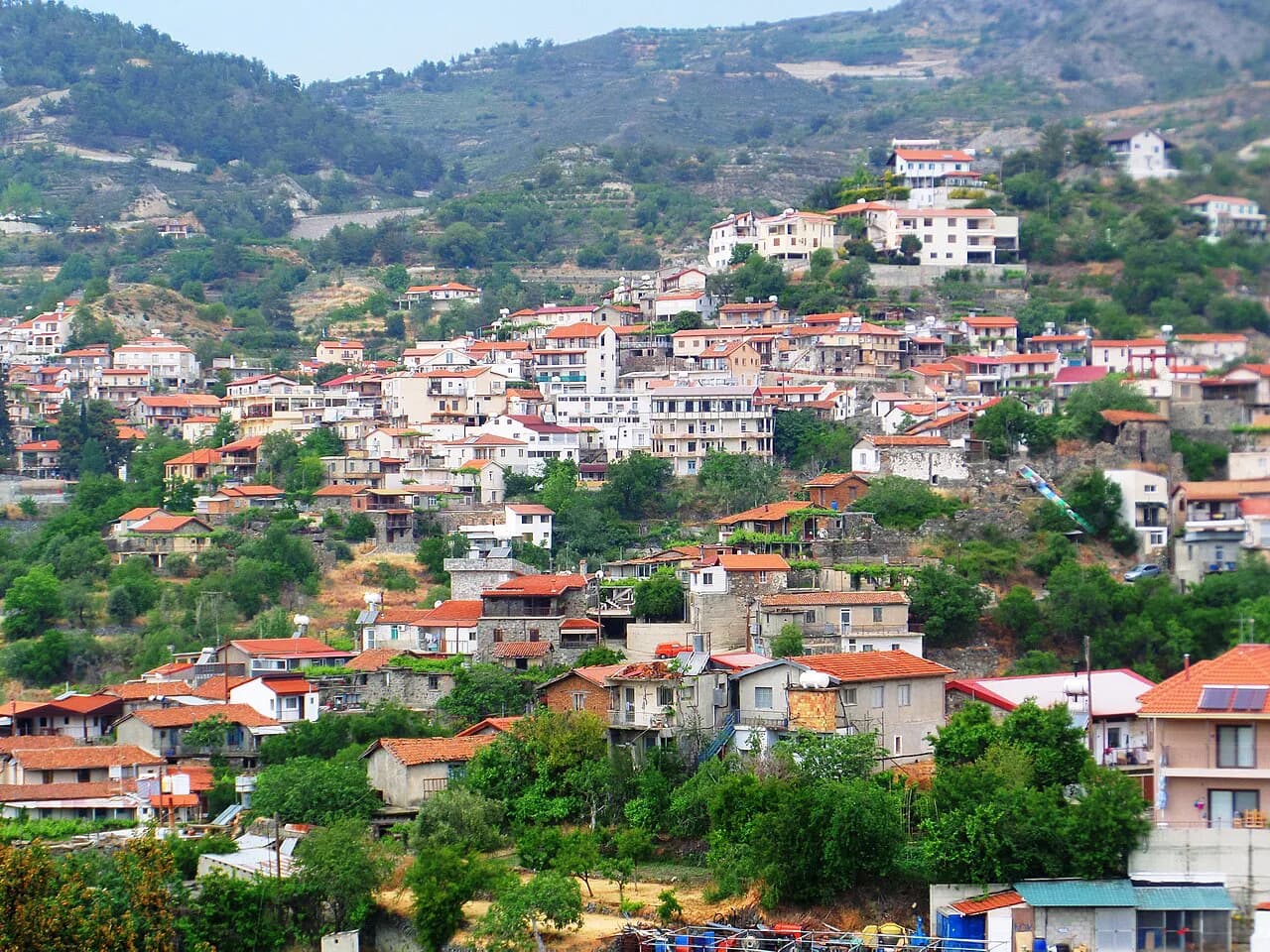
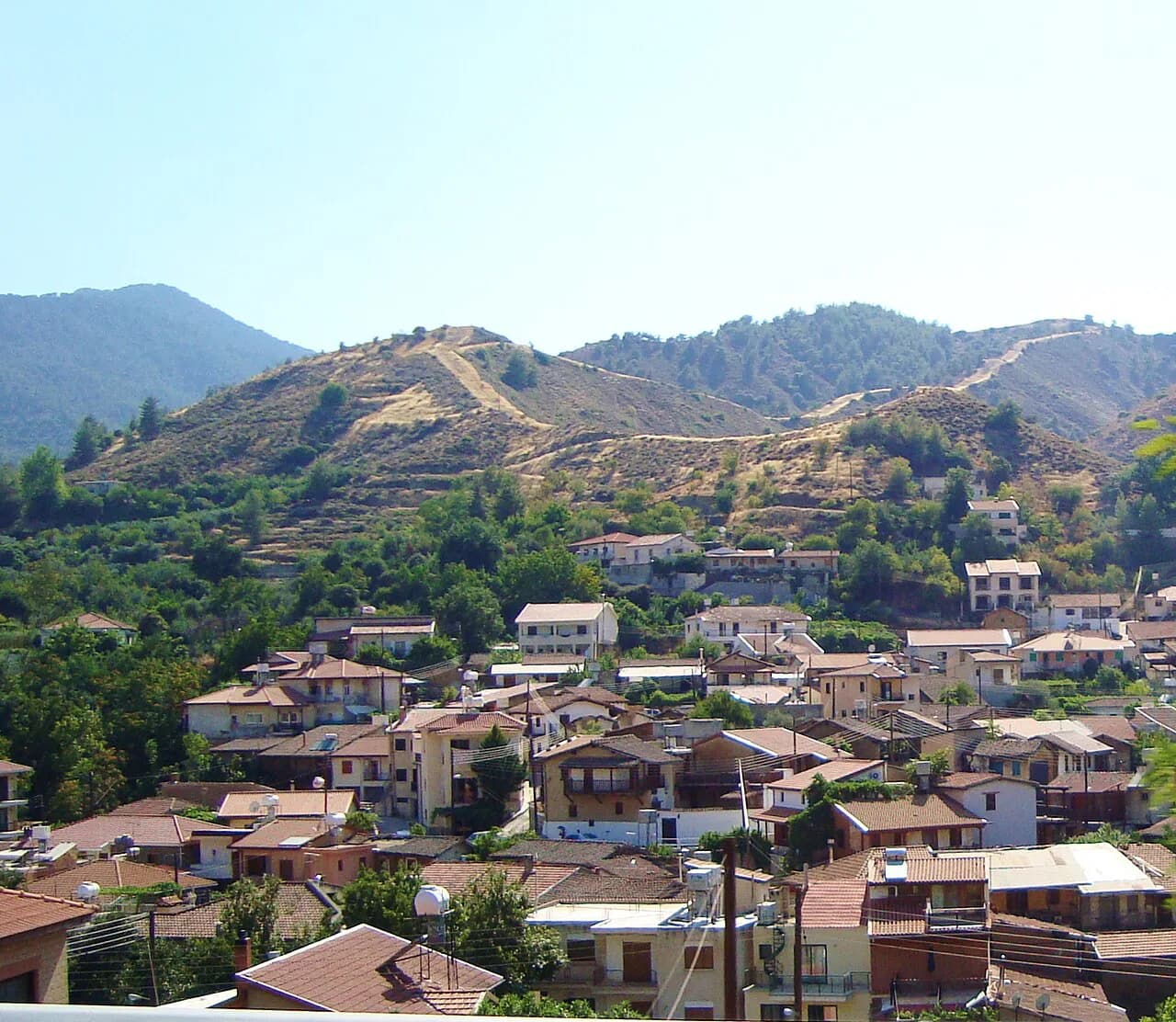
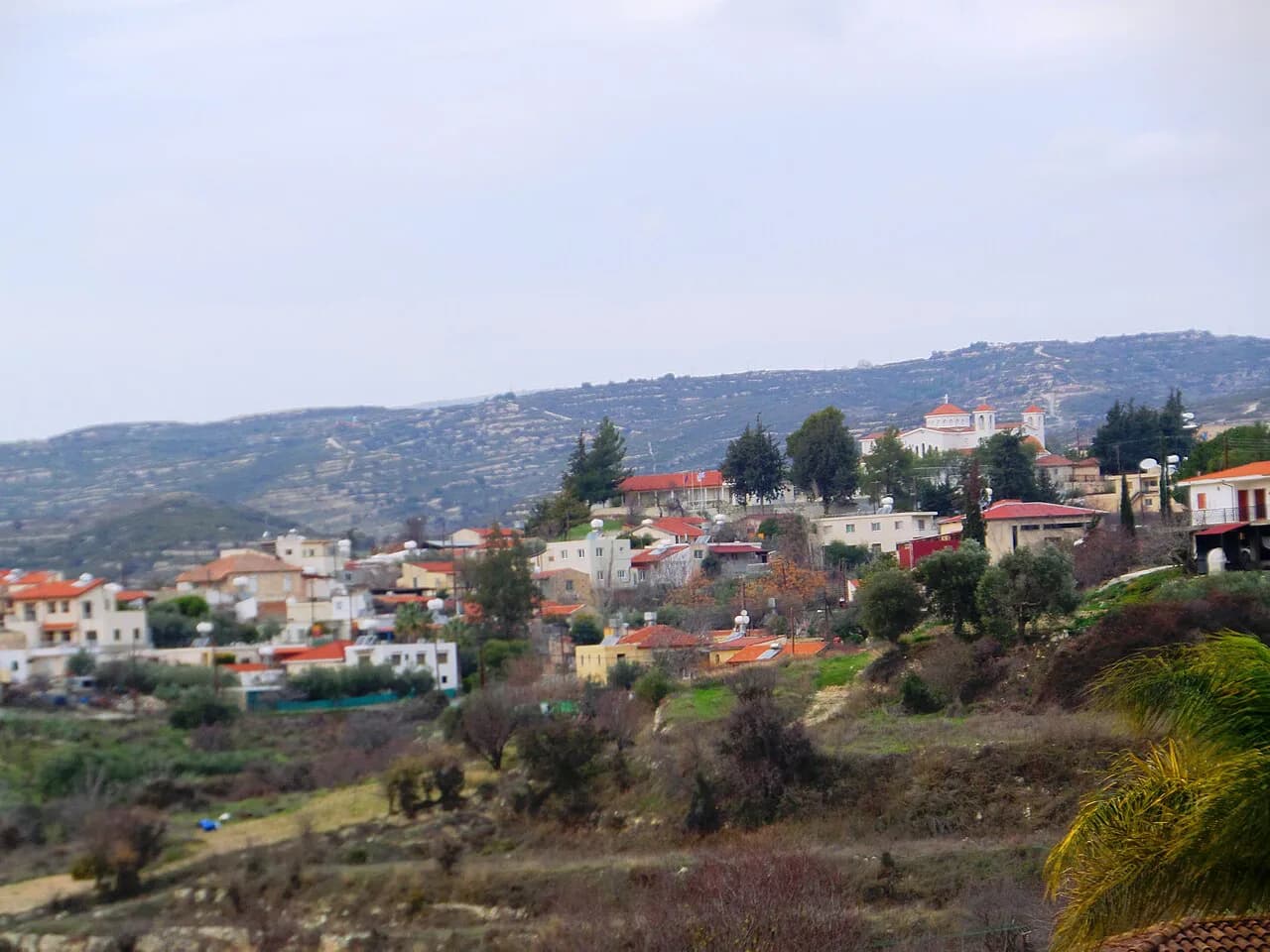
The views are the reason to come. The Troodos villages sit below in folds of pine, and the painted churches of the range are scattered across those folds.
There is nothing up here to buy a ticket for: you are looking at a mountain, not a site with a gate and a fee. Bring water and food from the villages, since the summit itself is not a place to count on finding either.
Getting there by car
You reach Mount Olympus by road from the Troodos villages, and the main base for the climb is Troodos Square, where the roads up from Limassol, Nicosia and Paphos meet. From the square the summit road climbs steadily through pine forest, and the drive is short enough to do between other stops.
Cyprus drives on the left, and mountain roads are narrow with hairpins and occasional loose gravel. Take the climb slowly, use the engine to hold your speed on the descent and fill up with fuel in a village before the final stretch.
If you are hiring a car, check that your insurance covers mountain roads and the altitude; some policies and hire agreements exclude unsurfaced roads. Rain, cloud and, in winter, lying snow can close or make hazardous the upper road, so check conditions with the operator before you commit to the climb.
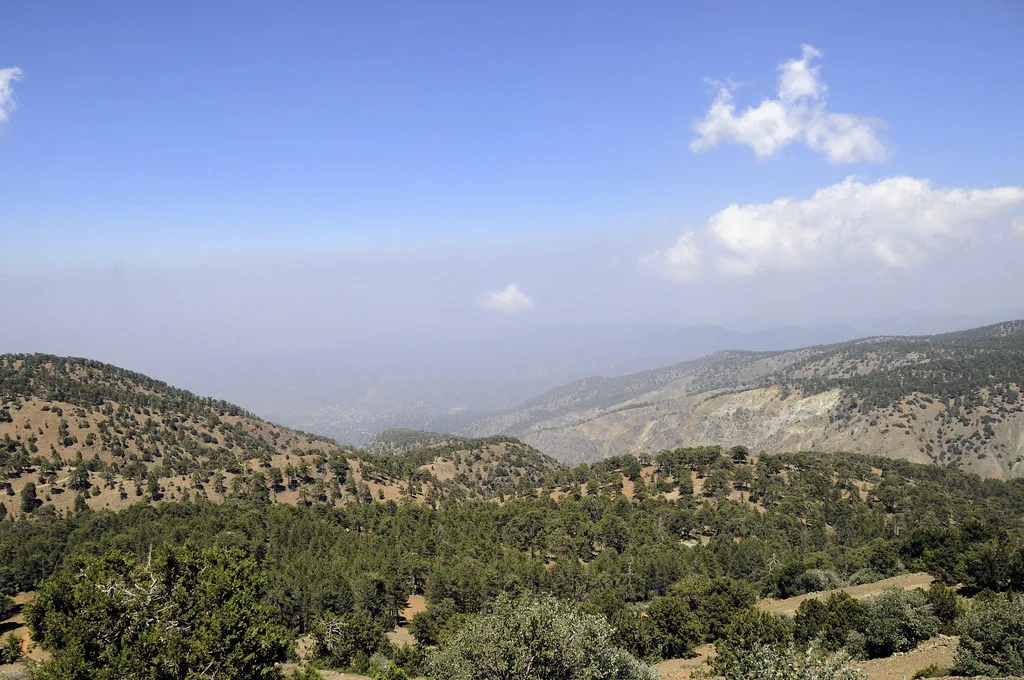
Weather at the top compared with the coast
The summit is the coldest place on the island. Viator describes Mount Olympus as generally the coldest place in Cyprus, which is the practical point: even in summer the air up here is noticeably cooler and windier than on the coast.
In practice that means a layer you would not wear in Limassol or Paphos, and a windproof jacket for the summit. In winter the road and summit can be cold enough for snow and ice, which changes the drive from a pleasant climb into a careful one.
An early climb gives the best chance of the long views before cloud builds over the range. Treat any forecast as a guide and look at the sky from the villages before you start up.
When to go
Clear summer mornings are the best time for the summit: cooler air, long views and time to get back down to the villages before the afternoon heat. Spring and autumn give the same views with softer light and fewer cars on the road.
Winter is the season to be cautious. The peak can be cold and snowy, and the upper road may be affected. If you are in the Troodos in winter, check the road before climbing, and if you do go up, treat the drive as the main event rather than expecting a long walk at the top.
How long to allow, and what to pair it with
Allow about 30 to 45 minutes at the summit for the drive up, the view and the drive back down. The peak is a stop, not a half-day, and the real time goes on the villages and churches below it.
The best pairing is the painted churches of the Troodos range, which are the reason the range's churches carry a UNESCO listing rather than just a view. Panagia tou Araka, between Lagoudera and Saranti, holds late twelfth-century frescoes painted by Theodoros Apsevdis, and entry is free.
Other options within a short drive include Timios Stavros tou Agiasmati, a UNESCO-listed church about 3 km outside Platanistasa with the most complete cycle of late fifteenth-century murals on the island, and the deserted village of Fikardou, where two restored eighteenth-century houses form a small folk museum.
Galata is another village worth adding; Panagia Podithou there is a UNESCO-listed painted church, one of four painted churches in the village. Hours vary by church and season, so check the church or the Department of Antiquities before you build a route around several in one day.
Is the summit worth the climb?
Climb it, but not for long. Mount Olympus gives you the island's highest point and a sense of how the range fits together, in about half an hour of your day. It is the frame around a Troodos visit rather than the visit itself.
Build the day around the villages and painted churches below, use Troodos Square as your base, and go up early on a clear day with fuel and a jacket already sorted.
Explore more Troodos guides
Frequently Asked Questions
What is the highest point of Cyprus?
Mount Olympus, also called Chionistra, is the highest point in Cyprus at 1,951 metres, or 6,401 feet. It is the summit of the Troodos mountains in the Lefkosia (Nicosia) district, above the Troodos villages.
Can you drive to the top of Mount Olympus in Cyprus?
Yes, a road climbs from the Troodos villages to the summit area, with Troodos Square as the usual base for the climb. Expect narrow mountain roads, drive on the left, and check your hire-car insurance covers mountain roads before you go.
What is the weather like at the top of Mount Olympus?
The summit is the coldest place on the island, with cooler, windier air than the coast even in summer and snow possible in winter. Take a layer and a windproof jacket, and check road conditions before climbing in winter.
Sources
- Timios Stavros tou Agiasmati Church - Visit Cyprus
- Fikardou Ethnological Museum: The Houses of Katsinioros and Achilleas Dimitri - Visit Cyprus
- Panagia tou Araka Church - Visit Cyprus
- Église Panagia Podithou - Visit Cyprus
- THE BEST Mt. Olympus (Chionistra) Tickets & Tours
- Troodos Mountains | Map, Cyprus, & Facts
Notes for your Cyprus trip
Optional updates to our Cyprus guides.
You might also like
Continue reading
More guides you'll find useful