Best Places to Visit in Cyprus: Towns, Sites and Villages
The best places to visit in Cyprus, from Paphos and Limassol to Kyrenia, Famagusta and the Troodos villages, with what each is best for and how long it needs.
On this page
Paphos is the best single base for a first visit, because it packs Roman mosaics, a harbour castle and a working old town into one place. Beyond it, Cyprus splits into harbour cities, mountain villages and archaeological sites that each need anything from a long morning to a full day. This guide sorts the strongest places by what they are best for, how long to allow and what to leave for a return trip.
Plan in clusters rather than a flat top ten: the west around Paphos and Petra tou Romiou, the south around Limassol, Larnaca and Kourion, the southeast around Ayia Napa, Protaras and Cape Greco, the capital at Nicosia, the mountains of Troodos, and the north around Kyrenia and Famagusta. A route built this way keeps driving short and leaves real time at each stop. The wider Cyprus itinerary sets out how those clusters fit into a week.
Paphos: mosaics, the castle and two halves of town
Kato Paphos is the coastal half, with the Archaeological Park, Paphos Castle on the harbour wall and the main strip of hotels and waterfront restaurants. The mosaics in the park's Roman villas are the reason most people come, and they are best seen early before the heat builds on the exposed walkways. Ktima, the inland half, is the everyday town of market streets and civic buildings rather than a tourist zone. The wider things-to-do guide groups the sights by area.
Allow a full day for Kato Paphos: a long morning in the archaeological park, lunch by the harbour and an hour at the castle. Ktima works as a half-day on foot, and the two halves are a short drive or bus ride apart, so staying in one and visiting the other is straightforward. The Cyprus towns guide covers how each town is laid out, and the Cyprus driving guide covers the practicalities of the road.
Limassol: old town, seafront and Kourion nearby
Limassol has the island's biggest working city centre, with an old town of narrow lanes behind the seafront and a long promenade that runs east from the old port. It suits travellers who want a city with restaurants and shops rather than a resort built around a beach. Kourion, the Greco-Roman city on the cliff west of town, is within easy driving distance and deserves half a day on its own.
Which part of Cyprus is best for a holiday? Paphos suits a first holiday best, with the archaeological park, harbour and castle close together. Limassol and Larnaca work well for city breaks and airport access, while Kyrenia is the natural base in the north.
Is Cyprus expensive to visit? Ticket prices at Department of Antiquities sites are modest and set in euros, and the main costs are car hire, fuel and accommodation in high season. Check the official listing for each site before you go.
What should not be missed in Cyprus? The Kato Paphos mosaics, Kourion and the Troodos painted churches are the strongest single sights. Nicosia's old town and the Green Line crossing add context, and Cape Greco gives the best coastal scenery in the southeast.
Give Limassol a day if you want the old town and seafront properly, or a half-day if you are passing through on the way to Kourion. Parking in the centre is the main friction; leave the car near the old town and walk. The Cyprus towns guide covers the rest of the island's urban stops if you are mapping a route.
Larnaca: the salt lake and the old seafront
Larnaca is the closest city to the main airport and the easiest place to start or finish a trip. The old town has a seafront promenade, a palm-lined waterfront and lanes behind it, while the salt lake west of the centre draws birdwatchers in the cooler months. It is a practical, low-key base rather than a headline sight, and that is its appeal.
Half a day covers the seafront and old town on foot, and a full day lets you add the salt lake and a slow lunch. Use Larnaca as a first or last night rather than a hub for the whole island, because the west and the mountains are a long drive away. Ayia Napa and Protaras are the centre of summer beach life, though plenty of travellers skip that scene entirely.
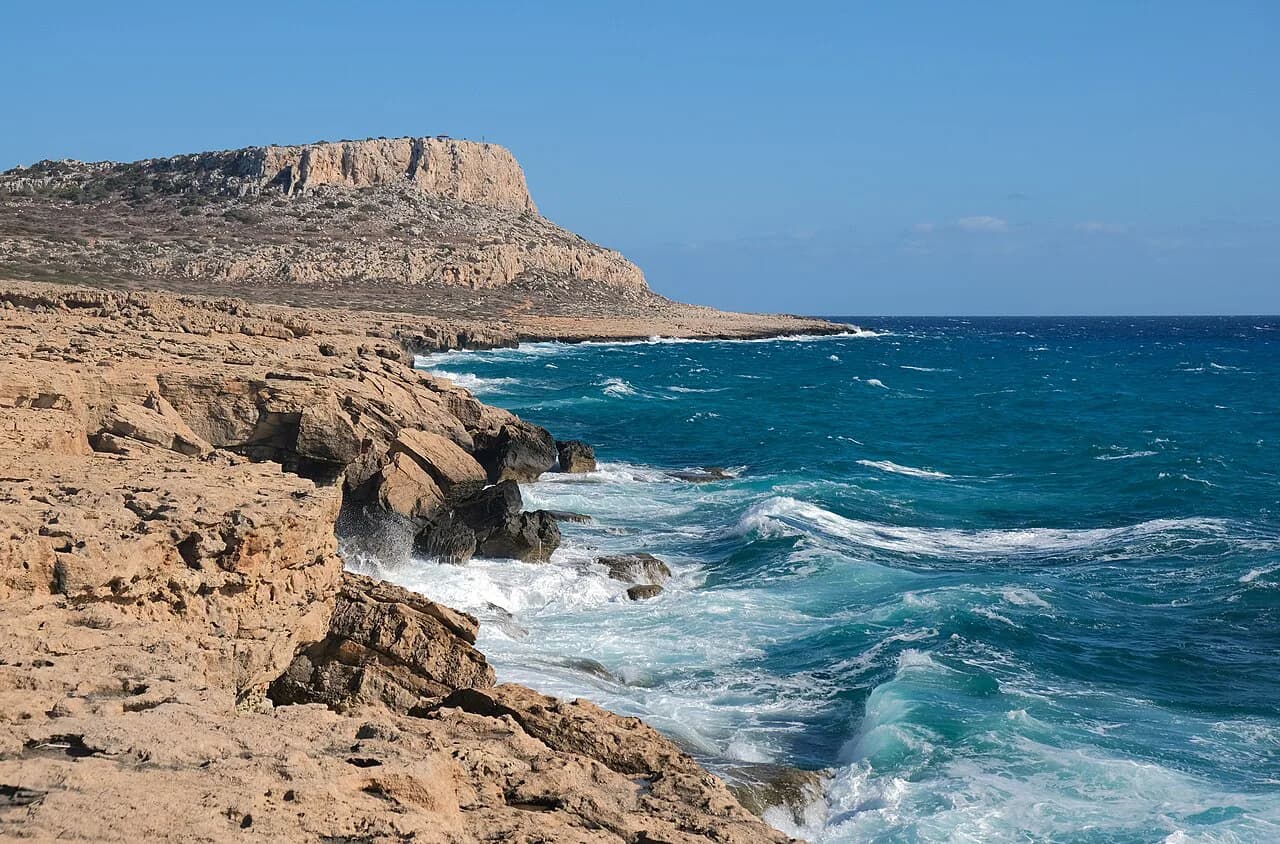
Cape Greco, the headland east of Ayia Napa, is the island's most dramatic coastal scenery, with sea caves and clifftop paths. In July and August the car parks and viewpoints fill by mid-morning and the exposed rock offers no shade, so go early or late. Think of the area as a summer crowd trade-off: excellent scenery, heavy company in high season.
Protaras is quieter and more family-oriented than Ayia Napa, and the two sit close enough to use one as a base for the other. Allow a full day for Cape Greco plus one of the towns, or two days if you want both at an unhurried pace. Ayia Napa works best as a base for the southeast rather than a destination in itself.
Nicosia (Lefkosia): the last divided capital
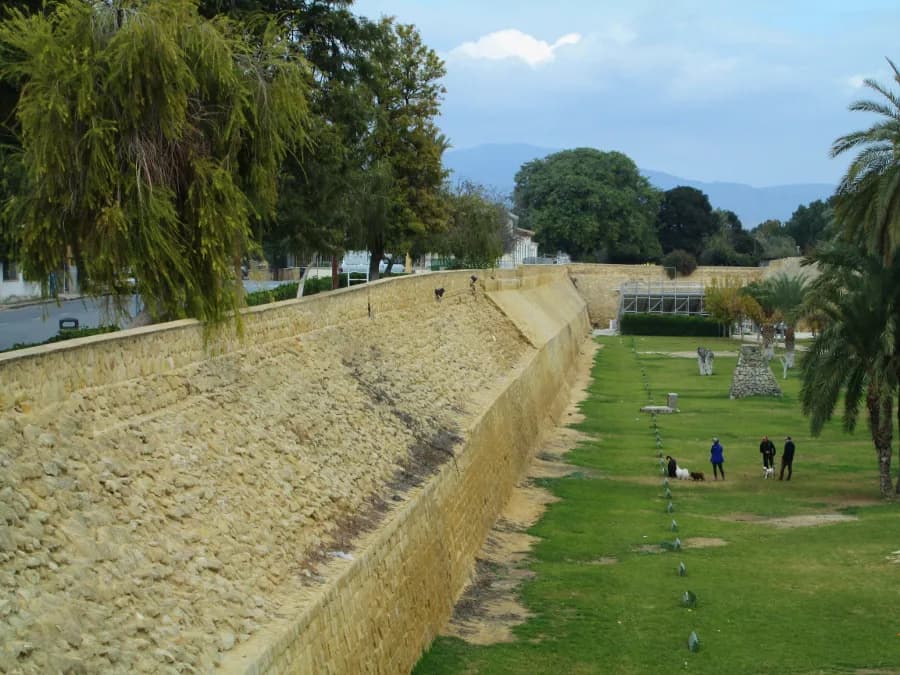
Nicosia is the last divided capital in Europe, with the Green Line running through the old town and a crossing point on Ledra Street. The old town inside the Venetian walls holds churches, mosques, a car-free shopping street and the city's main museums. It is the best place in Cyprus to understand the island's modern history in a single afternoon. The Cyprus road trip guide covers the practical side of moving around the island, including the crossing points.
The old town is walkable, and a half-day covers the main streets and a museum or two; a full day adds the wider city. Crossing the Green Line on foot at Ledra Street is the simplest introduction to the north, and you need your passport. Read the crossing rules before you go, because hire-car insurance usually does not cover the north unless the policy says so.
Kyrenia/Girne: harbour, castle and mountains behind
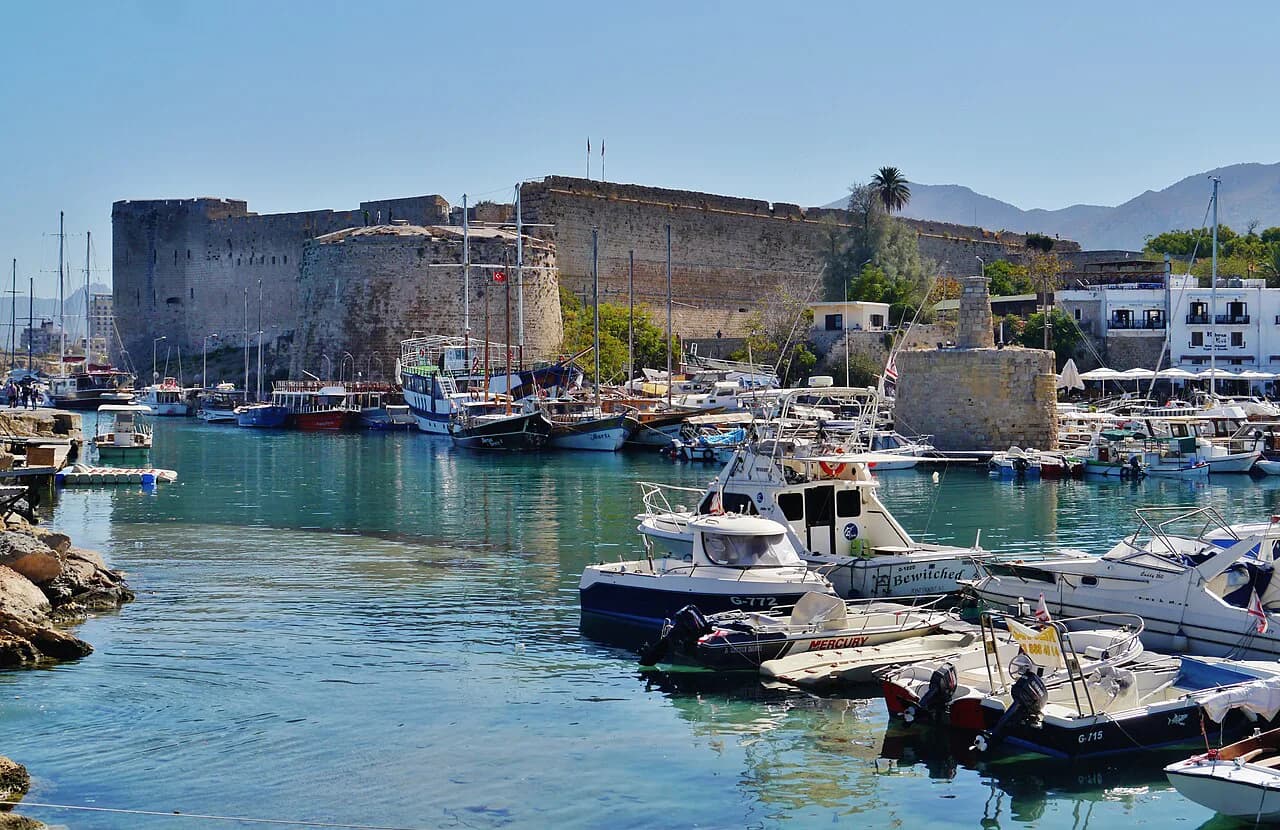
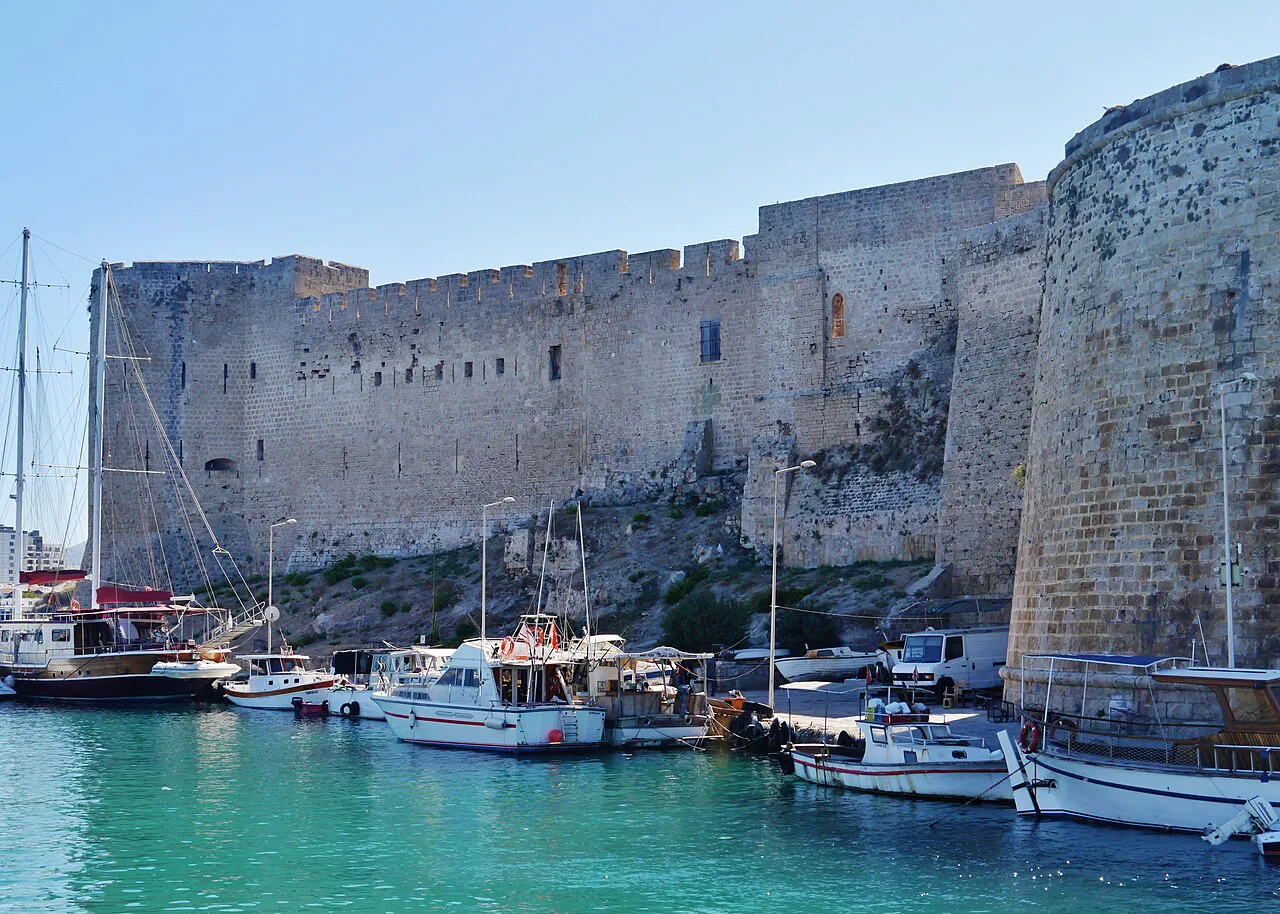
Kyrenia, or Girne, is the north's harbour town, with a horseshoe-shaped old port, a castle at the water's edge and the Kyrenia range rising directly behind. It is the most straightforward base in the north, with the harbour and castle within a few minutes' walk of each other. The mountain villages and Bellapais are a short drive up the slope.
Allow a day for the harbour, castle and a drive into the mountains, or two if you want to slow down. The town is compact and the centre is best on foot; a car is only useful for the villages and the coast beyond. Carry some cash in Turkish lira for small purchases, and check what your hire-car policy says about crossing.
Famagusta/Gazimağusa: walled town, mosque and Varosha
Famagusta, or Gazimağusa, has the most complete walled old town in Cyprus, with Venetian fortifications, the Gothic Lala Mustafa Pasa Mosque and a grid of lanes inside the walls. Varosha, the fenced former resort district south of the centre, is the area most visitors come to see, and access rules change, so check the current position before travelling. Give the old town half a day and Varosha another two hours.
Troodos: painted churches, Kykkos and mountain villages
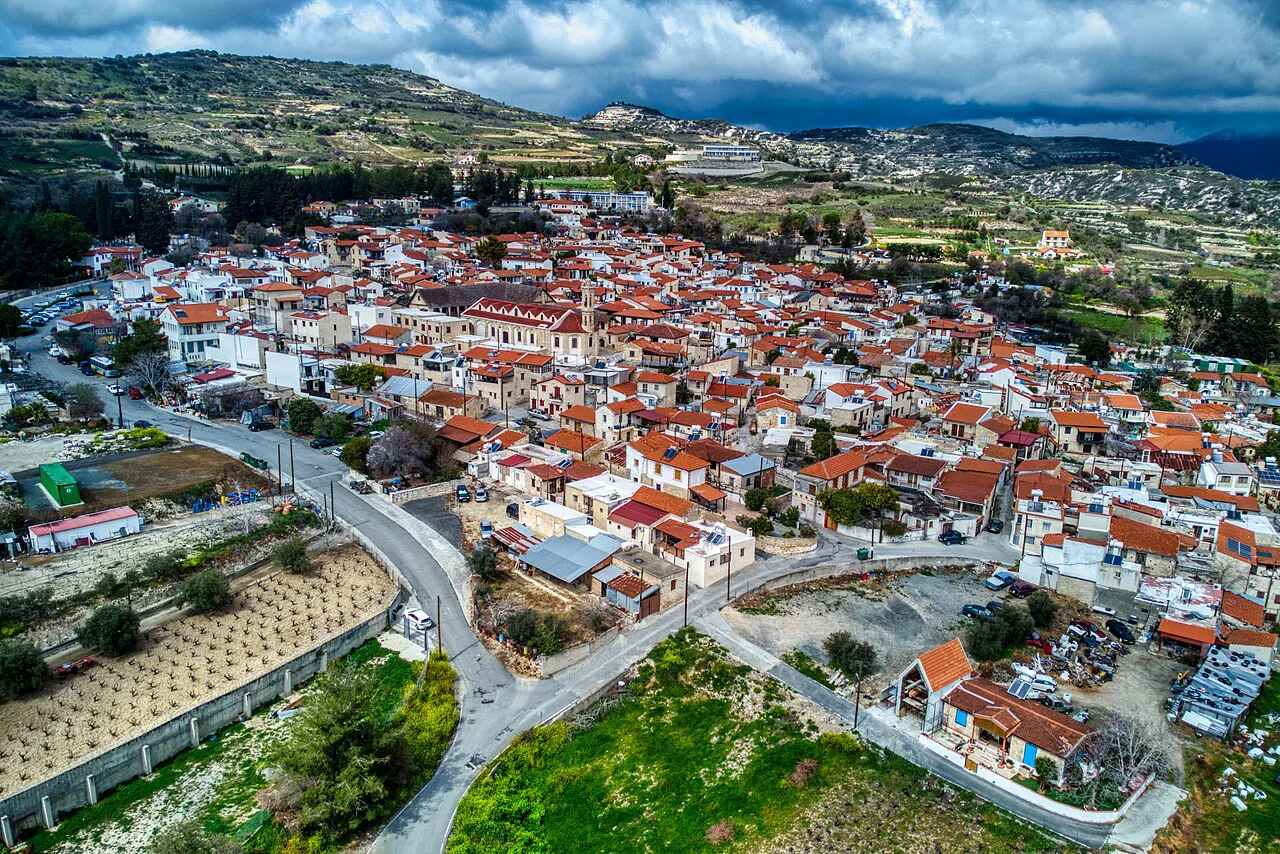
Troodos is the island's mountain spine, with pine forest, villages at altitude and a cluster of painted churches and monasteries. Kykkos monastery is the best-known religious site in the mountains, and the painted churches of the Troodos region are the reason many travellers come. Mountain villages such as Omodos make a natural lunch stop on a driving day.
Troodos needs a full day by car from the coast, and two days if you want the monasteries and the churches without rushing. Roads are winding and slow; plan on shorter distances per hour than on the motorway. The Cyprus car hire guide explains what to book, and the Cyprus itinerary sets out where the mountains fit in a week.
Petra tou Romiou and the coast west of Limassol
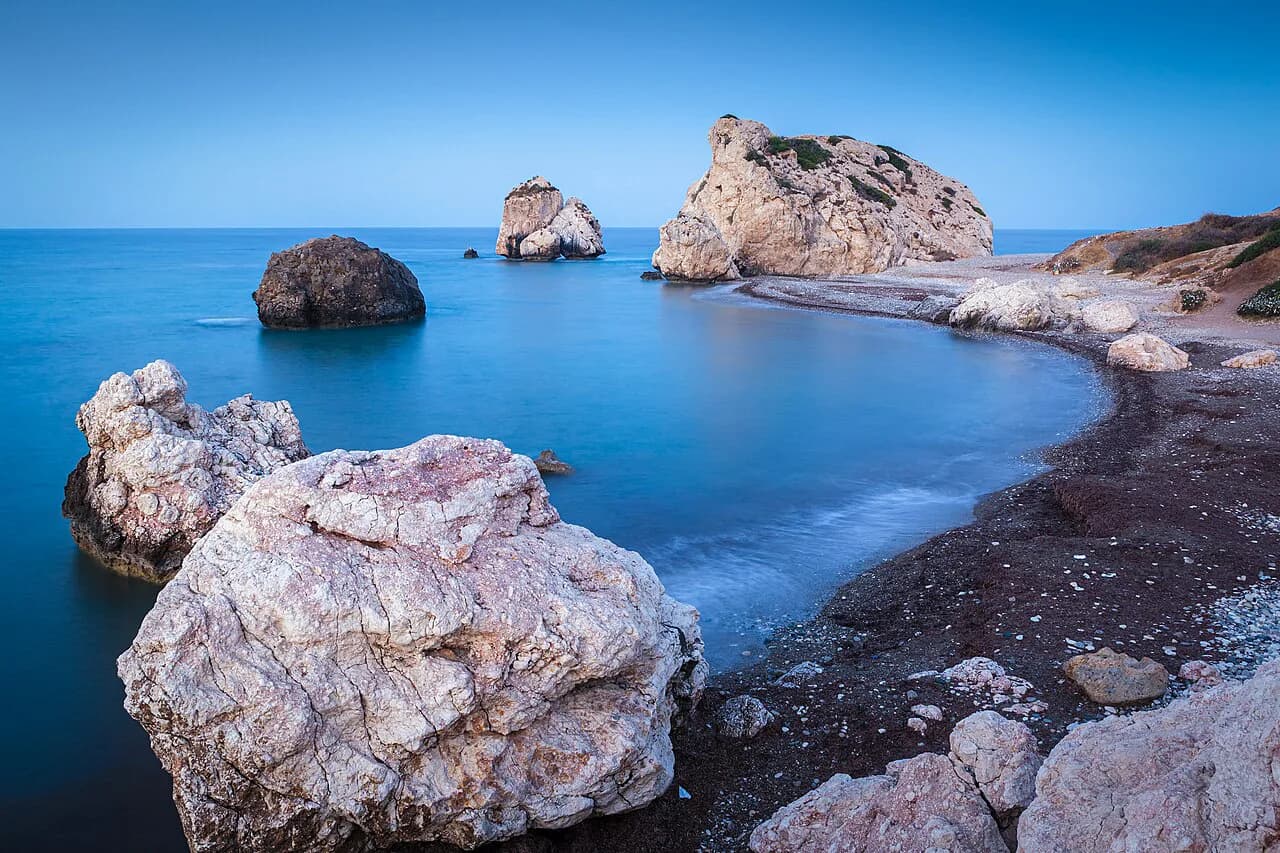
Petra tou Romiou, Aphrodite's Rock, is a sea stack on the coast road between Limassol and Paphos, usually visited as a short stop rather than a destination. The beach below the road is pebbly and the water can be rough, so treat it as a photo stop and a leg-stretch on the drive. The coast road itself is slower but far more scenic than the motorway.
Allow 20 to 30 minutes at the rock itself and a couple of hours for the coast road if you stop along the way. The site is outdoors and unshaded, so early morning or late afternoon is more comfortable in summer. It combines naturally with Kourion and Paphos on a single day of driving.
Kourion and the sites that need a half-day
Kourion is the standout archaeological site on the south coast, with a clifftop theatre, mosaics and views over the sea towards Limassol. It sits west of the city and pairs with the Sanctuary of Apollo Hylates a few minutes up the road, so plan them as one outing. Half a day is realistic for both at an unhurried pace.
Department of Antiquities sites such as Kourion have seasonal opening hours and ticket prices in euros, so check the official listing before you set out. Go early in summer, because the site is exposed and shade is limited. Kourion is worth building a day around rather than squeezing in before a flight. The Cyprus archaeological sites guide covers the island's other ruins.
Choirokoitia: the prehistoric side of the island
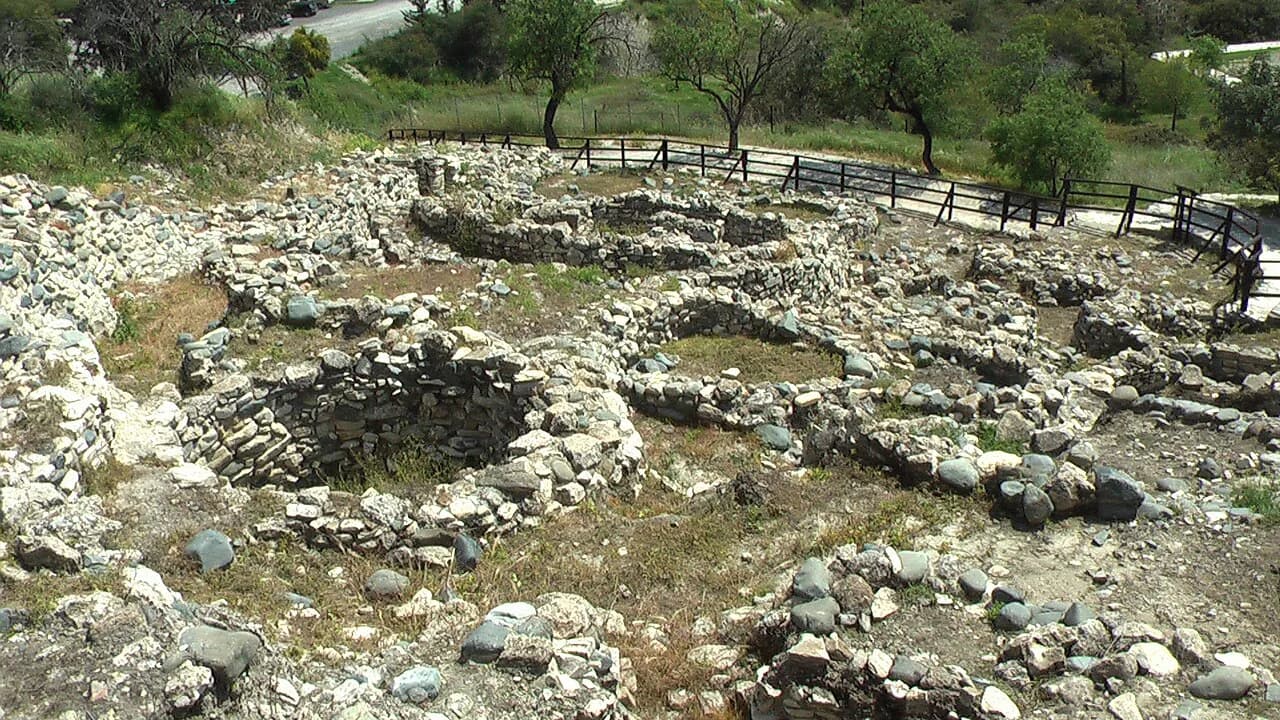
Choirokoitia is a Neolithic settlement on a hillside between Limassol and Larnaca, and one of the oldest sites of its kind on the island. The reconstructed roundhouses give a clear picture of how the settlement worked, and the site is compact enough to see in an hour. It suits travellers with an interest in prehistory rather than anyone chasing scenery.
Lefkara and Omodos: lace and a slower afternoon
Lefkara is a village of stone lanes known for its lace and silverwork, and it makes an easy half-day from Larnaca or Nicosia. Omodos, in the Troodos foothills, has a monastery and a compact centre that works well as a lunch stop on a mountain drive. Both are quiet out of season and busy at weekends.
Pair Lefkara with Choirokoitia for a full day, and Omodos with the Troodos monasteries. Village shops generally expect cash for small purchases, and parking is on the edge of the centre, so plan to walk in.
Getting between them
Cyprus drives on the left and the Republic uses the euro, so a UK licence and a hire car make the island genuinely easy to cover. Motorways link Larnaca, Limassol and Paphos quickly, while the mountain and coast roads are slow but scenic. Most travellers should pick two bases rather than one, with a west and a south split working well.
Bus services link the main towns, but reaching Kourion, Cape Greco or the Troodos villages by bus takes planning and time. Hire cars are the practical answer, and you should confirm what your policy covers before taking a car across the Green Line. Driving times are estimates, not timetables, so add buffer for mountain roads and summer traffic. The Cyprus Map shows how the regions sit together.
Three days, one week or a return trip
With three days, pick one base: Paphos and the west, or Larnaca with a day for Nicosia. With a week, split between west and south, adding Troodos as a full day. Leave the north for a separate trip or a dedicated two days, because crossing the Green Line with a car needs planning.
Save Kyrenia and Famagusta for a return trip, or for a north-focused break, because doing both halves of the island in one week means a lot of time in the car. Lonely Planet's Cyprus pages list the headline sights if you need a shortlist to cut down.
Which base suits your trip?
Choose Paphos for a first visit with archaeology and harbour life, Limassol or Larnaca for a city base with easy airport access, and Kyrenia for the north. Add Nicosia as a day, Troodos as a driving day and Cape Greco as a summer morning.
Explore more Cyprus guides
Frequently Asked Questions
Which part of Cyprus is best for a holiday?
Paphos suits a first holiday best, with the archaeological park, harbour and castle close together. Limassol and Larnaca work well for city breaks and airport access, while Kyrenia is the natural base in the north. Ayia Napa and Protaras suit summer coastal stays.
Is Cyprus expensive to visit?
Ticket prices at Department of Antiquities sites are modest and set in euros, and the main costs are car hire, fuel and accommodation in high season. Check the official listing for each site before you go. Daily budgets vary too much to quote a single figure.
What should not be missed in Cyprus?
The Kato Paphos mosaics, Kourion and the Troodos painted churches are the strongest single sights. Nicosia's old town and the Green Line crossing add context, and Cape Greco gives the best coastal scenery in the southeast.
Can I visit both the Republic and the north in one trip?
Yes, and the simplest crossing is on foot at Ledra Street in Nicosia, where you need your passport. Hire cars are usually not covered for the north unless the policy says so, so check before driving across.
Sources
Notes for your Cyprus trip
Optional updates to our Cyprus guides.
You might also like
Continue reading
More guides you'll find useful